
Wedding Cards
Wedding cards are more than just invitations; they are a heartfelt introduction to one of life’s most significant milestones. Serving as the first glimpse your guests will have into the style, tone, and theme of your wedding, a well-crafted card sets the stage for the celebration to come.
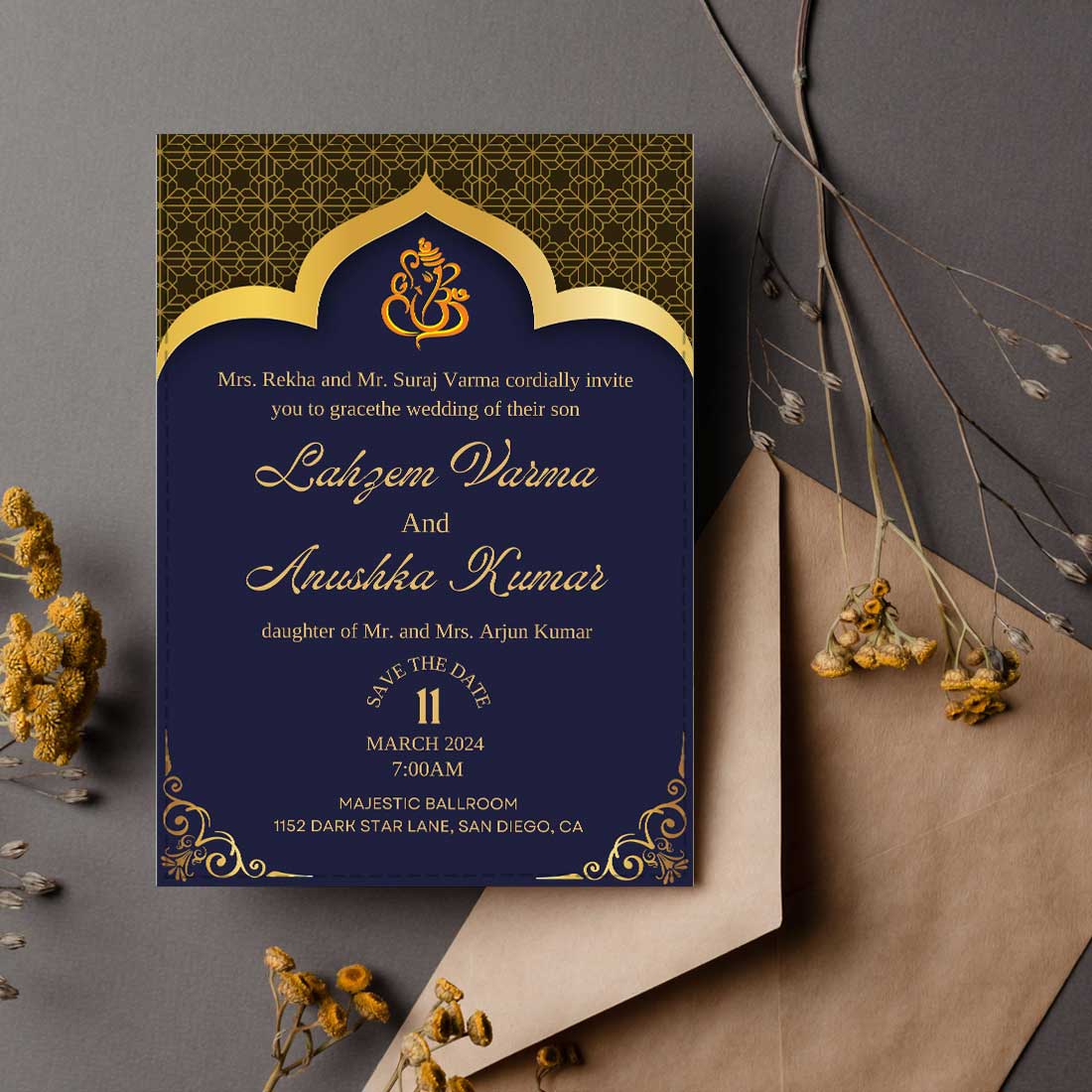
Wedding Cards: Designing and Choosing the Perfect Invitation
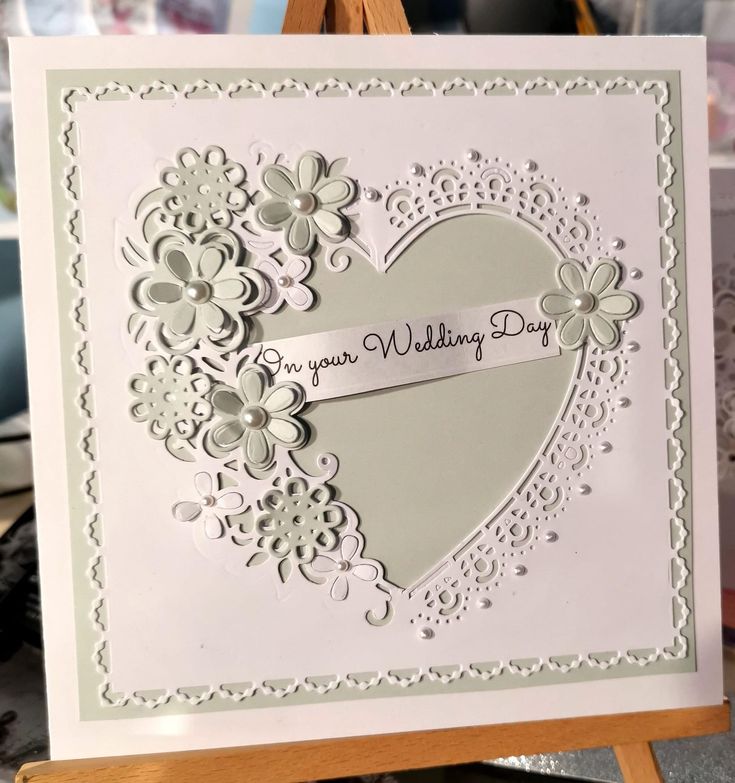
Wedding cards are more than just invitations; they are a heartfelt introduction to one of life’s most significant milestones. Serving as the first glimpse your guests will have into the style, tone, and theme of your wedding, a well-crafted card sets the stage for the celebration to come. Whether elegantly simple or richly ornate, each detail—colors, fonts, wording, and texture—reflects the couple’s story and the atmosphere they wish to create on their special day.
In many cultures, especially in Nairobi and across Kenya, wedding cards carry deep traditional and social significance. They symbolize formality, hospitality, and respect, often blending cultural motifs with modern aesthetics. Whether you’re hosting a grand celebration or a modest ceremony, a thoughtfully designed wedding card helps you communicate vital details—like date, venue, dress code, and RSVP information—clearly and beautifully. More importantly, it offers a tangible token of the union to be celebrated, often cherished long after the event has passed.
As wedding trends continue to evolve, so do the styles and methods of creating and sending invitations. From hand-delivered embossed cards to interactive digital invitations, couples today have more options than ever to reflect their personalities and values. This article delves into the essentials of wedding cards—from types and design considerations to printing techniques, modern innovations, and how to choose the right vendor—guiding couples through every decision needed to make their wedding invitation as memorable as the event itself.
1. Understanding Wedding Cards
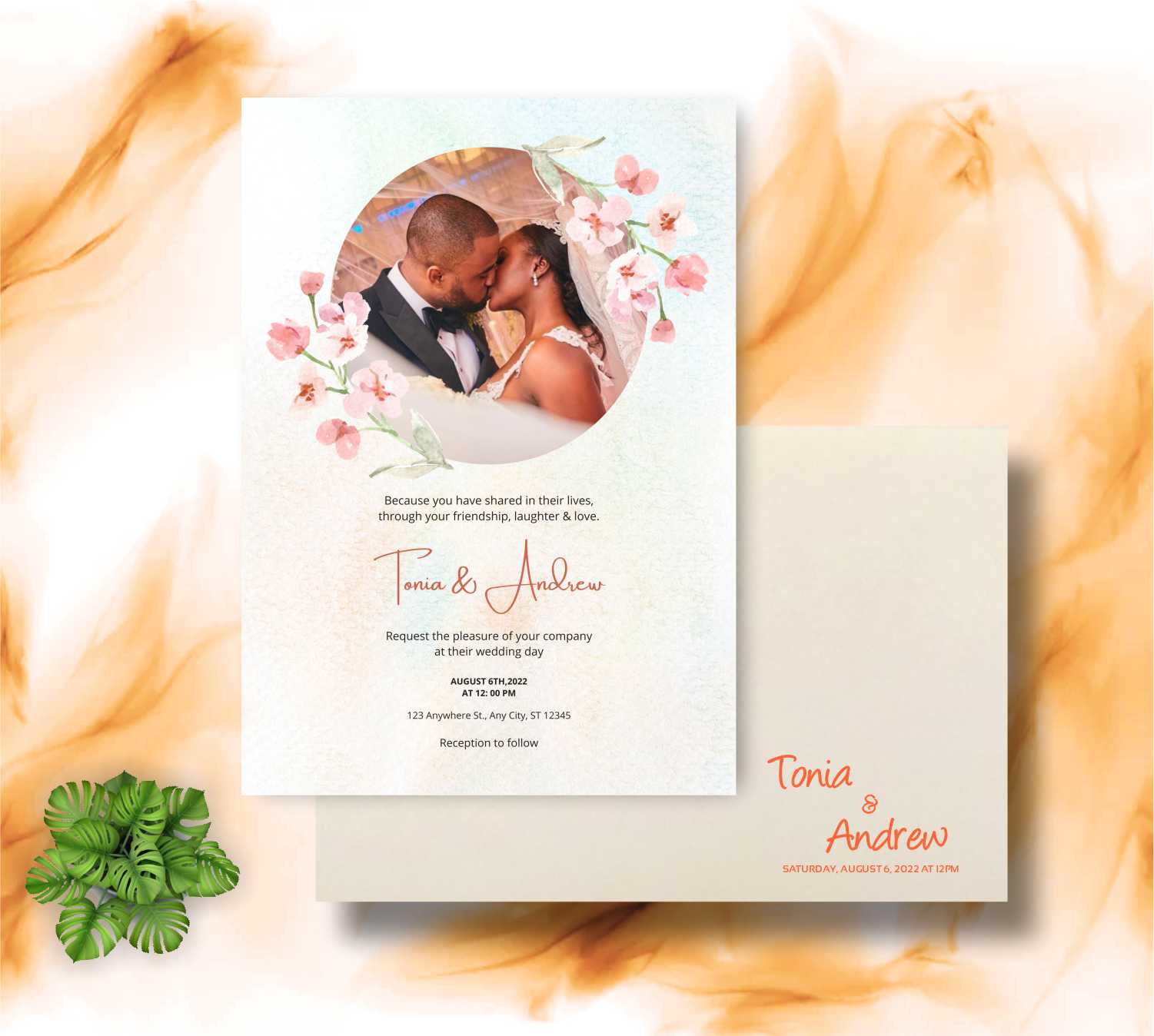
Wedding cards are a foundational component of the wedding experience. More than just paper invitations, they symbolize the beginning of a life event and the relationship between the couple and their guests. They communicate not only logistical information but also values, personality, and the tone of the upcoming celebration. This section explores what makes wedding cards so significant—from their practical function to their visual expression—laying the groundwork for informed and meaningful choices in the invitation process.
1.1 Definition and Purpose of Wedding Cards
Wedding cards serve as the official communication tool through which couples announce their wedding and invite guests to participate in their celebration. These cards are designed with intentionality to convey more than just the event date—they express mood, expectation, and culture.
- They formally notify recipients of the wedding.
- They include crucial information such as venue, date, and time.
- They communicate expectations regarding dress code, RSVP, or customs.
- They serve as a physical or digital keepsake for guests to remember the occasion.
While the fundamental purpose is to invite, wedding cards do much more. They initiate the emotional journey toward the event, mark the beginning of preparations for both hosts and guests, and provide a preview of the style and scale of the wedding. A beautifully presented card often becomes part of a couple’s memory box, representing not only the day but the thought and care that went into planning it.
1.2 Elements of a Wedding Card
Each wedding card includes specific elements that work together to deliver a complete message. These components must be thoughtfully arranged and clearly articulated to ensure ease of reading and aesthetic harmony.
- The names of the couple, usually featured prominently.
- The wedding date, time, and full venue address.
- RSVP instructions with contact details or an online link.
- Notes such as dress code, accommodation info, or gift registry.
These details give guests the practical tools to plan their attendance. An effective wedding card presents these elements in a hierarchy that reflects their importance, with elegant typography and spacing enhancing readability. The tone of the language—whether formal or casual—should match the nature of the celebration, reinforcing the theme introduced visually.
1.3 Styles and Themes
The design of a wedding card is a personal and often symbolic reflection of the couple’s story. It is shaped by cultural, seasonal, aesthetic, and emotional influences, each of which guides the visual and textual choices made.
- Traditional cards may include calligraphy, embossed patterns, or religious icons.
- Modern designs tend to favor clean lines, minimalist text, or contemporary colors.
- Cultural cards incorporate language, motifs, and colors specific to heritage.
- Seasonal or themed weddings often mirror nature or event styling (e.g., floral for spring, warm tones for autumn).
Style and theme establish the mood guests can expect at the event. A carefully chosen palette, texture, or graphic element on the invitation can indicate whether the wedding will be formal, casual, intimate, or grand. This alignment between card and ceremony helps guests feel more connected and prepared.
1.4 Importance of a Well-Designed Wedding Card
A well-designed wedding card does more than look beautiful; it serves strategic purposes that enhance the overall wedding experience for everyone involved.
- It creates an immediate and lasting first impression of the event.
- It heightens excitement and makes the event feel special for guests.
- It communicates the couple’s values, style, and attention to detail.
- It aligns with the visual identity of the wedding itself—florals, colors, and typography can be echoed in programs, menus, and signage.
Design quality is a reflection of care. When a card is well-made, guests feel honored and eager to attend. It conveys that this isn’t just another date on the calendar—it’s a significant moment that the couple wishes to share meaningfully.
Wedding cards bring together art and information, culture and utility. They are the first physical or digital bridge between the couple and their guests, serving both as a celebration of love and a communication of intent. Every element—from wording to texture—works to engage guests and prepare them emotionally and practically for the ceremony. Designing with thought and purpose ensures the card is not just a formality, but a treasured part of the wedding narrative.
2. Types of Wedding Cards
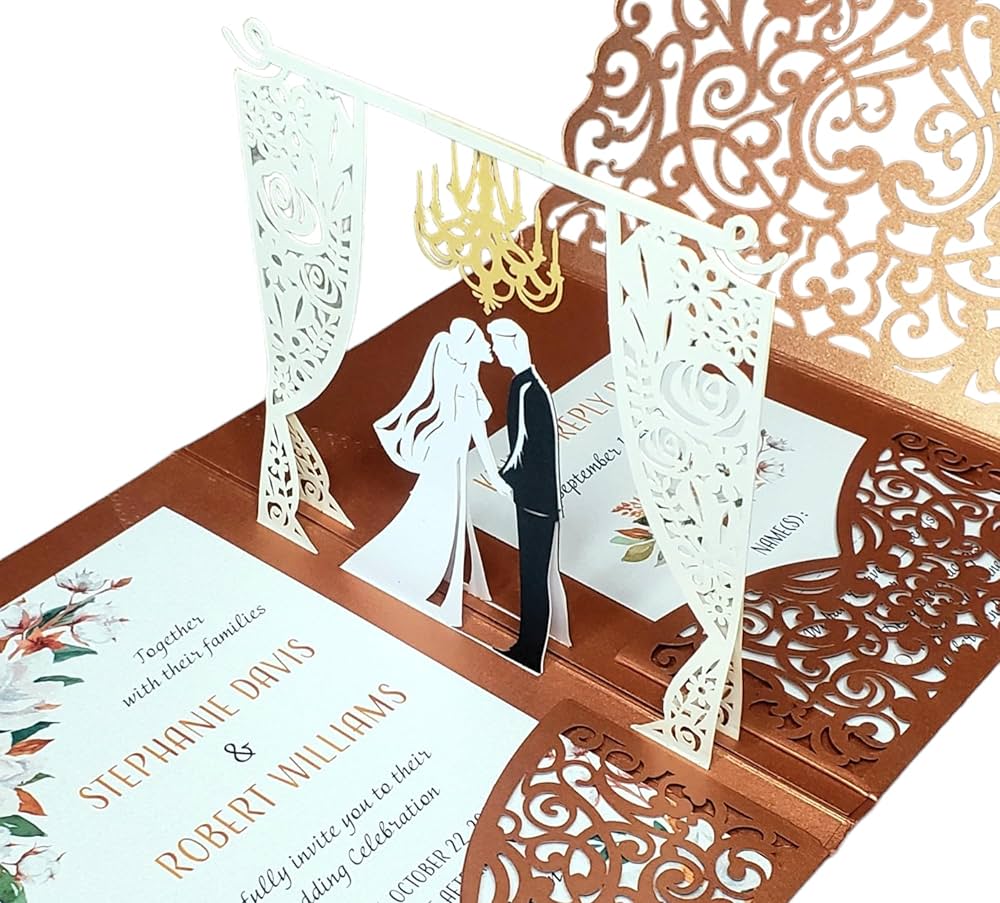
Wedding invitations come in a variety of formats to suit different tastes, cultural expectations, and budget levels. The type of wedding card a couple chooses plays a central role in how their wedding is perceived—from the very first impression a guest receives. The design and structure reflect both tradition and innovation, providing flexibility for different themes and guest experiences. This section explores the main types of wedding invitations available today, each offering a unique way to announce and celebrate a couple’s union.
2.1 Standard Invitation Cards
Standard wedding invitation cards remain the most popular format due to their familiarity, accessibility, and wide range of customization options. These cards are traditionally printed on premium cardstock and come in various physical configurations.
- Single-panel invitations offer a clean, minimalistic look.
- Folded cards provide additional space for information or decorative elements.
- Flat cards are straightforward and ideal for modern themes.
- Inserts and envelopes allow for RSVP cards, maps, or accommodation details.
This format provides a timeless presentation while allowing room for creativity. Couples can choose fonts, colors, and embellishments that match their wedding theme. Whether designed with simplicity or elegance, standard cards can strike a perfect balance between cost-effectiveness and charm. Their tangible nature ensures that recipients can easily refer to them as the event approaches.
2.2 Boxed Wedding Invitations
Boxed invitations elevate the presentation of a wedding card into something luxurious and memorable. Housed in specially designed boxes, these invitations make a powerful statement before they are even opened.
- They exude a sense of opulence and exclusivity.
- Boxes accommodate multiple inserts such as programs, RSVP cards, or itinerary cards.
- Keepsake packaging ensures the invitation is treasured long after the event.
- They offer high levels of personalization with embossed names, monograms, or custom patterns.
These are often used for high-profile or formal weddings where every detail is meant to impress. The tactile experience of opening a box and discovering beautifully arranged materials reflects the grandeur of the occasion. Though they tend to cost more, their impact is unmatched for couples wanting to leave a lasting impression.
2.3 Digital Wedding Invitations
Digital wedding invitations are a modern alternative that combines convenience with ecological awareness. With the rise of tech-savvy couples and global guest lists, digital formats have gained popularity for their flexibility and interactivity.
- They reduce paper waste and printing costs.
- They can be quickly emailed or shared via messaging apps.
- Interactive features can include clickable maps, links to wedding websites, or live RSVP forms.
- Digital platforms enable automatic guest list updates and reminders.
This format is ideal for destination weddings, short timelines, or environmentally conscious events. Design options are virtually unlimited, and delivery is instant. Digital invites also allow couples to engage their guests through animations or multimedia, creating a dynamic invitation experience.
2.4 Specialty Formats
Some couples seek a distinct and artistic approach to their invitations through specialty formats. These options are usually handcrafted or require advanced production methods, catering to those who want their wedding stationery to stand out as a creative expression.
- Scroll-style invitations evoke cultural elegance and historical charm.
- Pop-up or 3D cards offer visual surprise and delight.
- Laser-cut invitations showcase intricate patterns and delicate details.
- Handmade or calligraphy cards highlight craftsmanship and personal touch.
These cards often become collector’s items for guests, celebrated for their beauty and uniqueness. While more labor-intensive and potentially expensive, they reflect the couple’s commitment to artistry and originality, making the wedding feel exceptionally personalized.
From simple and classic formats to extravagant and innovative designs, wedding cards offer endless possibilities for creative expression and meaningful communication. Each type serves a different purpose and audience, allowing couples to align their invitations with their vision, values, and event logistics. Whether sent in an ornate box or a carefully crafted digital message, the invitation marks the beginning of a shared celebration—a gateway into the love story it represents.
3. Designing Your Wedding Card
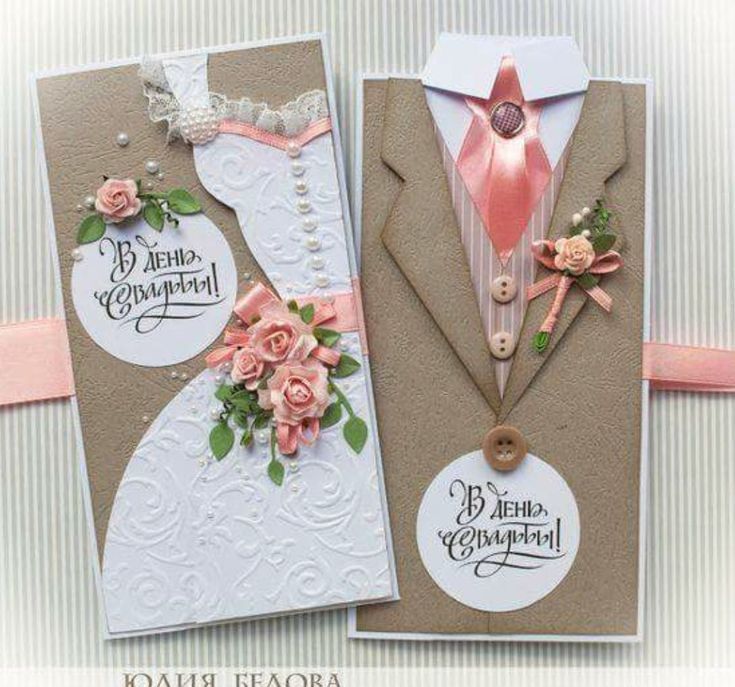
Crafting the perfect wedding card involves a careful blend of creativity, symbolism, and clarity. A well-designed invitation not only conveys essential information but also provides a glimpse into the tone and atmosphere of the wedding day. The design process is where visual identity, personal taste, and functional communication intersect, creating a memorable experience for guests even before the ceremony. From selecting themes and colours to deciding on typography and illustrations, every choice contributes to the overall impression and effectiveness of the invitation.
3.1 Choosing a theme and color palette
Selecting an appropriate theme and colour scheme sets the foundation for the entire design. This choice often reflects the couple’s personality, cultural background, and the ambiance they wish to create.
- Matching the wedding colors
- Considering cultural symbolism
- Complementing the season
- Aligning with the couple’s style
Themes and colors often serve as visual threads that tie all wedding elements together. When the card reflects the same tones as the wedding décor, it gives guests a cohesive visual cue about the event. Cultural elements in color choice—such as red for luck in some traditions or white for purity—may play a symbolic role. Seasonal colors, like pastels for spring or rich jewel tones for winter, also enhance the invitation’s harmony with the environment. Most importantly, the theme should resonate with the couple’s personal style, whether it’s vintage, boho, modern, or classic.
3.2 Typography and wording
The font style and wording tone influence the legibility and emotional tone of the invitation. Every typographical choice contributes to the visual mood and clarity.
- Font style and readability
- Formal vs. casual tone
- Bilingual or multilingual wording
- Order of names and honorifics
Typography is both aesthetic and functional. Elegant script fonts may suggest a formal black-tie event, while clean sans-serif fonts often reflect a casual or modern celebration. Wording style must also match the occasion’s tone—some couples prefer traditional phrasing, while others use playful or poetic lines. In multicultural weddings, it’s common to include multiple languages for inclusivity. The sequencing of names and use of honorifics, like “Mr. & Mrs.,” can reflect familial traditions and social norms, ensuring respect and clarity.
3.3 Including visual elements
Incorporating graphics and textures adds character and enhances the emotional appeal of the invitation. These visual cues often provide a deeper connection to the couple’s narrative.
- Floral and geometric patterns
- Couple’s initials or monogram
- Religious or cultural symbols
- Background textures
Decorative motifs such as florals or geometric patterns can express the event’s aesthetic—florals evoke romance, while geometrical shapes may imply a modern or artistic vibe. Monograms and initials lend a personalized touch, often used as branding across wedding materials. For culturally or religiously significant weddings, symbols such as crosses, om signs, or mehndi patterns offer meaningful detail. Background textures—linen effects, marble patterns, or embossed surfaces—bring dimension and tactility, elevating the card’s sensory appeal.
3.4 Working with a designer or DIY
Whether hiring a professional or taking the do-it-yourself route, both options require careful planning and resource management.
- Pros of hiring a professional
- Online templates and tools
- Printing requirements
- Time and cost considerations
Collaborating with a professional designer allows for tailored creativity and ensures technical aspects like bleed lines and print resolution are handled correctly. For those on a budget, DIY options using platforms like Canva or Adobe Express provide accessible templates. Regardless of the path chosen, understanding printing requirements—paper weight, color accuracy, and trim sizes—is essential to avoid errors. Time and budget constraints also play a significant role; while DIY may save money, it can be time-intensive, and professional services may offer efficiency at a premium.
This section emphasizes that the design of a wedding card involves strategic and stylistic decisions that mirror the couple’s identity and enhance communication with guests. From visual cohesion and thematic expression to practical choices in printing and customization, every element shapes how the invitation is received and remembered. A thoughtful design not only informs but also emotionally engages, setting the stage for the celebration to come.
4. Printing Considerations
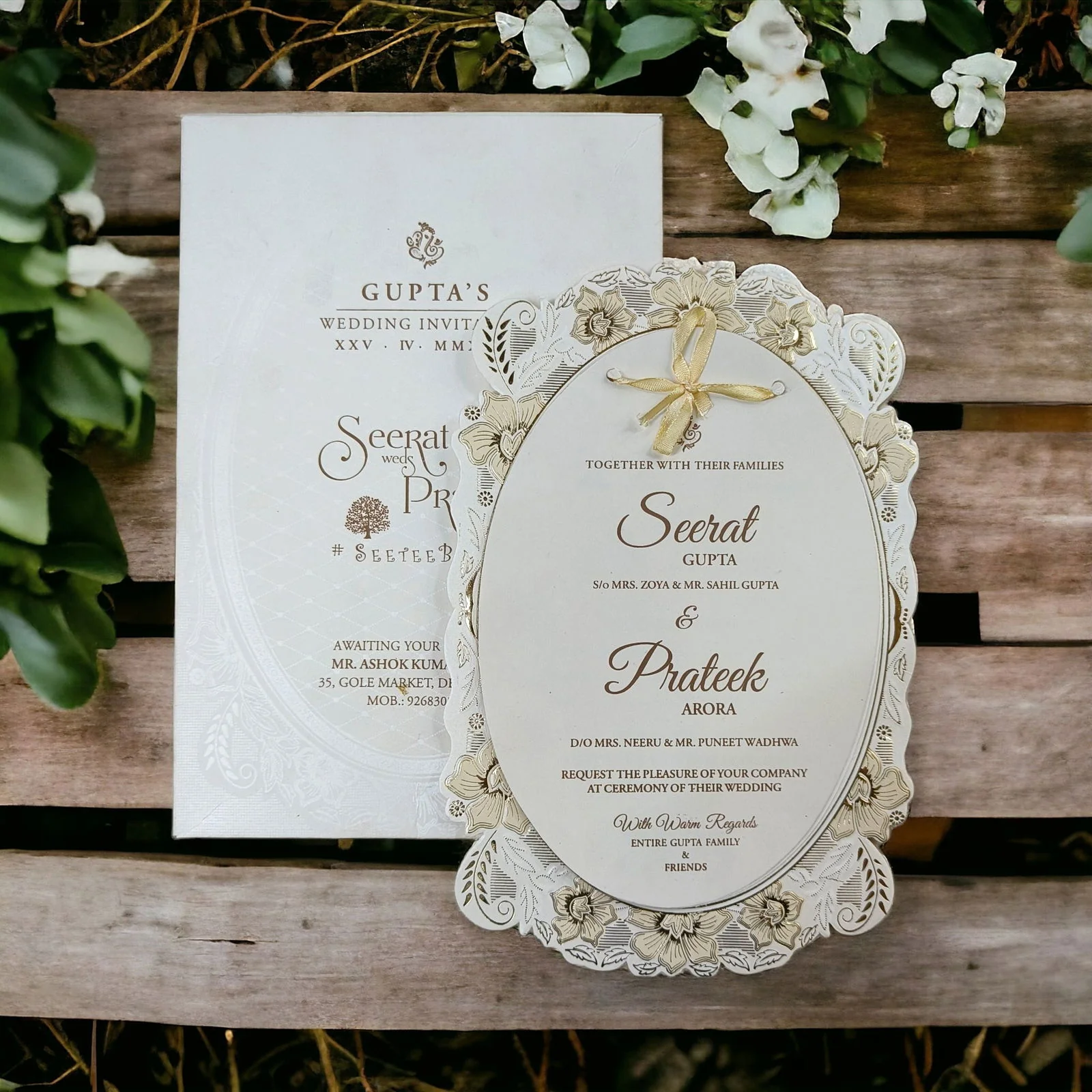
Transforming a wedding card design into a tangible piece involves several critical decisions, particularly concerning printing methods and materials. The printing process not only affects the final appearance but also plays a key role in the tactile and emotional experience of the invitation. From choosing the right technique to selecting complementary papers and envelopes, these elements bring depth and sophistication to the wedding stationery. Strategic choices in printing ensure the invitation reflects the couple’s vision while meeting quality and delivery expectations.
4.1 Printing techniques
The choice of printing method determines the card’s finish, cost, and overall visual impact. Each technique offers distinct characteristics suited for different styles and budgets.
- Digital printing
- Letterpress
- Foil stamping
- Embossing and debossing
Digital printing is widely used for its affordability and flexibility with colors and photos, making it suitable for both large and small batches. Letterpress, which involves pressing inked plates into the paper, creates a classic, tactile feel ideal for elegant or vintage weddings. Foil stamping uses heat to apply metallic foil, adding a luxurious and eye-catching shine. Embossing and debossing introduce raised or recessed text and patterns, providing a premium, textured effect that elevates even minimalist designs. Selecting the right method depends on aesthetic goals, budget, and time frame.
4.2 Paper selection
The type of paper used significantly influences the card’s weight, feel, and presentation. This choice should harmonize with the printing technique and overall theme.
- Texture and weight
- Matte, glossy, or handmade paper
- Sustainable options
- Durability and presentation
Textured and heavyweight papers convey luxury and formality, while lighter stocks are more budget-friendly and modern. Matte papers offer a soft, elegant look; glossy finishes enhance vibrancy, especially for photographic designs; handmade papers deliver a rustic or artisanal touch. Couples increasingly seek eco-friendly papers made from recycled or plant-based fibers. Durability also matters, especially for mailed invitations. Well-chosen paper supports not only visual appeal but also tactile quality, enhancing the recipient’s experience.
4.3 Envelope and accessories
Accessories and envelope presentation add layers of personalization and professionalism, rounding out the invitation suite.
- Envelope lining
- Seals, stickers, or ribbons
- RSVP and gift registry inserts
- Addressing options
Lined envelopes provide an extra layer of elegance and can carry over the invitation’s color scheme. Decorative seals, custom stickers, wax stamps, or ribbons enhance unboxing excitement and reflect the couple’s branding. Inserts for RSVP, directions, or registry information help keep the main invitation uncluttered while offering essential details. Addressing options range from printed labels to handwritten calligraphy, with each conveying a different level of formality and personalization. These enhancements leave a strong visual and emotional impression on recipients.
4.4 Working with printing services
Effective communication with your printing partner is essential to ensure your vision translates correctly into the final product. Reliability and quality assurance are key.
- Reviewing samples
- Proofing and approval process
- Turnaround time
- Local vs. online printers
Requesting physical samples or swatches allows couples to assess color accuracy, paper feel, and print quality. Proofing the design carefully—both digitally and, if possible, physically—helps catch errors before bulk production. Turnaround time should align with the wedding timeline, factoring in delays for revisions or shipping. Local printers offer the advantage of in-person consultations and faster delivery, while online services may provide cost savings and a broader range of templates. Weighing these options helps couples choose the most dependable and convenient provider.
Together, these printing considerations form the backbone of a polished and meaningful wedding invitation. Every step, from selecting a print method to choosing paper and accessories, contributes to the final product’s integrity and beauty. Working closely with a reliable printing service ensures that design visions are executed flawlessly, resulting in invitations that are not only visually impressive but also emotionally resonant.
5. Trends in Wedding Invitations
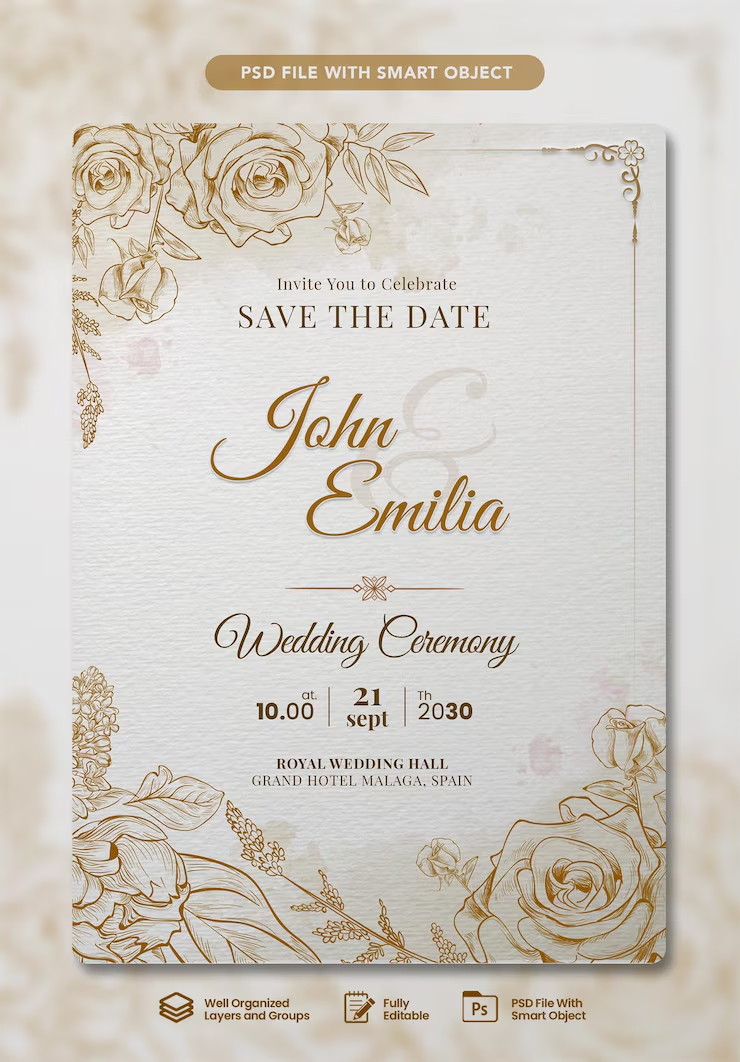
Modern wedding invitations are evolving beyond traditional formats to embrace creativity, personalization, and sustainability. Today’s couples are choosing designs that reflect not only their aesthetic preferences but also their values and unique love stories. Emerging trends in wedding invitations emphasize eco-friendliness, interactivity, cultural inclusivity, and custom-tailored design elements that engage guests in fresh and memorable ways. These innovations offer dynamic alternatives to conventional cards while ensuring the couple’s personality shines through.
5.1 Eco-conscious invitations
With environmental awareness on the rise, many couples are opting for invitations that minimize ecological impact without sacrificing elegance or quality.
- Recycled paper
- Digital-only invites
- Seed paper and plantable cards
- Minimalist packaging
Recycled paper options reduce waste and offer a variety of textures and finishes suitable for formal or casual themes. Digital-only invitations, sent via email or social media, eliminate printing altogether, making them a highly sustainable and cost-effective choice. Seed paper, which guests can plant after use, turns the invitation into a living keepsake that aligns with green values. Minimalist packaging—free of plastic or excessive materials—completes the eco-friendly presentation. These solutions allow couples to celebrate responsibly while still making a strong visual and emotional impact.
5.2 Personalized elements
Invitations that feature custom details unique to the couple help set the tone for a deeply personal and memorable celebration.
- Couple illustrations
- Custom maps and stories
- QR codes and multimedia
- Thank-you card tie-ins
Hand-drawn portraits or caricatures of the couple add warmth and charm, transforming the invitation into a personalized memento. Custom maps showing the wedding location, journey milestones, or special landmarks connect guests to the couple’s narrative. QR codes can link to videos, photo galleries, wedding websites, or RSVP forms, enhancing interactivity. Matching thank-you cards maintain design continuity and express gratitude with style. These elements infuse the invitation suite with storytelling, emotion, and cohesion.
5.3 Cultural fusion designs
As multicultural weddings become more common, invitation designs are blending traditions and aesthetics to honor diverse backgrounds.
- Blending styles from both partners
- Multicultural symbol use
- Cross-cultural fonts and languages
- Unique storytelling formats
Designs that merge patterns, colors, or motifs from both families’ cultures celebrate the couple’s heritage and union. Including traditional symbols—such as mandalas, calligraphy, or tribal art—brings authenticity and depth. Using multiple languages or distinct font styles ensures inclusivity and recognition of family customs. Creative formats like illustrated timelines or folklore-inspired themes convey rich cultural stories. These designs foster a sense of belonging and reflect the couple’s shared identity.
5.4 Interactive invitations
Interactive invitations invite recipients to engage with the wedding message in playful or surprising ways, turning the card into an experience.
- Pop-up elements
- Fold-out timelines
- Puzzles or game-themed cards
- Audio or video embedded links
Pop-up designs add dimensionality and excitement as guests unfold the card. Fold-out timelines display the couple’s journey or event schedule in a visually appealing layout. Puzzle-based or game-themed invitations invite guests to participate in a fun pre-wedding activity, reflecting the couple’s personality. Embedded links to audio messages or videos offer a multimedia experience that connects with tech-savvy invitees. These interactive formats turn a simple card into a memorable part of the celebration.
Wedding invitation trends continue to evolve as couples seek creative, meaningful, and sustainable ways to announce their big day. From green materials to high-tech experiences, modern designs provide endless possibilities for personal expression and cultural celebration. By embracing these contemporary approaches, couples can craft invitations that resonate with guests and reflect the uniqueness of their love story.
6. Choosing a Wedding Card Vendor
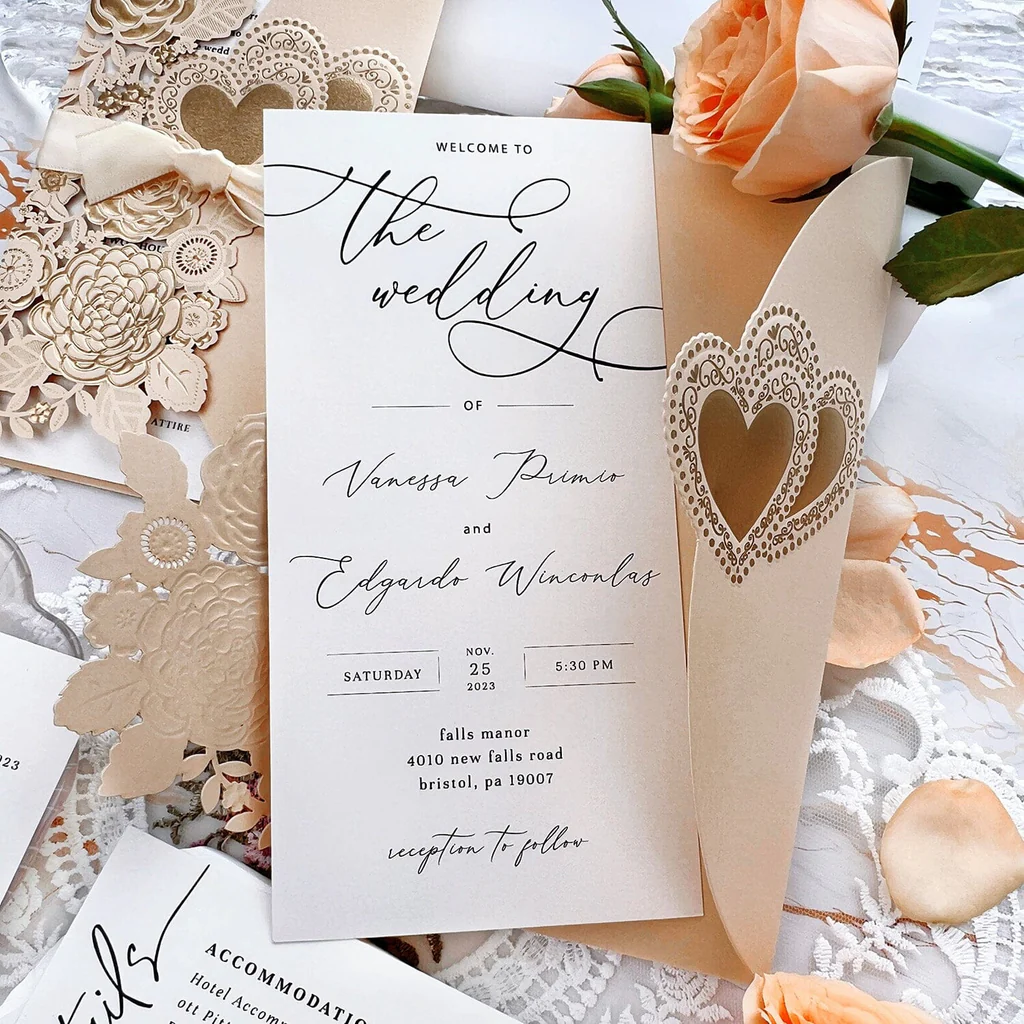
Selecting the right vendor is a critical part of wedding planning, especially when it comes to invitations. The vendor not only affects the quality and style of your cards but also determines how smoothly the design and delivery process unfolds. Couples must weigh various factors such as location, budget, customization capabilities, and reliability when choosing between local and online suppliers. A well-chosen vendor can turn your vision into reality while minimizing stress and delays.
6.1 Local vs. online suppliers
Where you source your wedding cards can significantly impact the level of personalization, convenience, and overall experience.
- Accessibility and personal service
- Shipping and logistics
- Sample access
- Cost differences
Local vendors offer face-to-face consultations, enabling clearer communication and faster problem resolution. They may also provide immediate physical samples, which are helpful when evaluating paper texture, print quality, and finishes. On the other hand, online suppliers often have broader selections and potentially lower prices due to lower overhead costs. However, they may involve shipping delays and less personalized service. Balancing convenience with confidence in quality is essential when deciding between the two.
6.2 Budget planning
Managing expenses effectively while still achieving the desired look and feel is vital for staying on track financially.
- Price tiers based on materials
- Number of guests and invites
- Package deals and custom offers
- Avoiding hidden fees
Different materials—from basic cardstock to luxury handmade paper—fall into varied price categories. The total guest count directly affects how many invites are needed, influencing both printing and postage costs. Many vendors offer bundled deals that include matching items like RSVP cards, thank-you notes, or envelopes, which can be more economical than ordering separately. Carefully reviewing contracts helps avoid unexpected charges related to customization, delivery, or last-minute changes.
6.3 Customization services
The ability to personalize every detail ensures that the invitations align perfectly with the theme and tone of the wedding.
- Design consultations
- Tailored wording
- Matching accessories
- Unlimited revisions
Some vendors offer design consultations either in person or virtually, guiding you through font selection, layout, and color choices. Custom text—like bilingual messaging or personalized poems—adds uniqueness and relevance. Vendors who provide accessories like belly bands, seals, and envelope liners in matching designs ensure cohesive presentation. Options for multiple revisions allow couples to refine the design without pressure, ensuring full satisfaction before printing begins.
6.4 Customer support and reliability
Dependable customer service ensures a smoother experience from inquiry to final delivery, giving couples peace of mind.
- Reviews and testimonials
- Delivery guarantees
- Communication quality
- Experience with weddings
Evaluating past client feedback helps determine the vendor’s reputation for quality and dependability. Guarantees around delivery dates and damage-free shipments provide assurance that orders will arrive on time and in good condition. Effective and prompt communication, whether through phone, email, or chat, enhances coordination and minimizes errors. Vendors with proven experience in handling weddings understand the nuances involved, making them more equipped to meet expectations.
Choosing the right wedding card vendor involves careful evaluation of service type, cost, flexibility, and reliability. Whether selecting a neighborhood print shop or an online platform, couples should aim for a provider that aligns with their budget, style, and timeline. A collaborative and transparent vendor relationship sets the foundation for a smooth invitation process, allowing the couple to focus on celebrating their special day.
7. Common Mistakes to Avoid
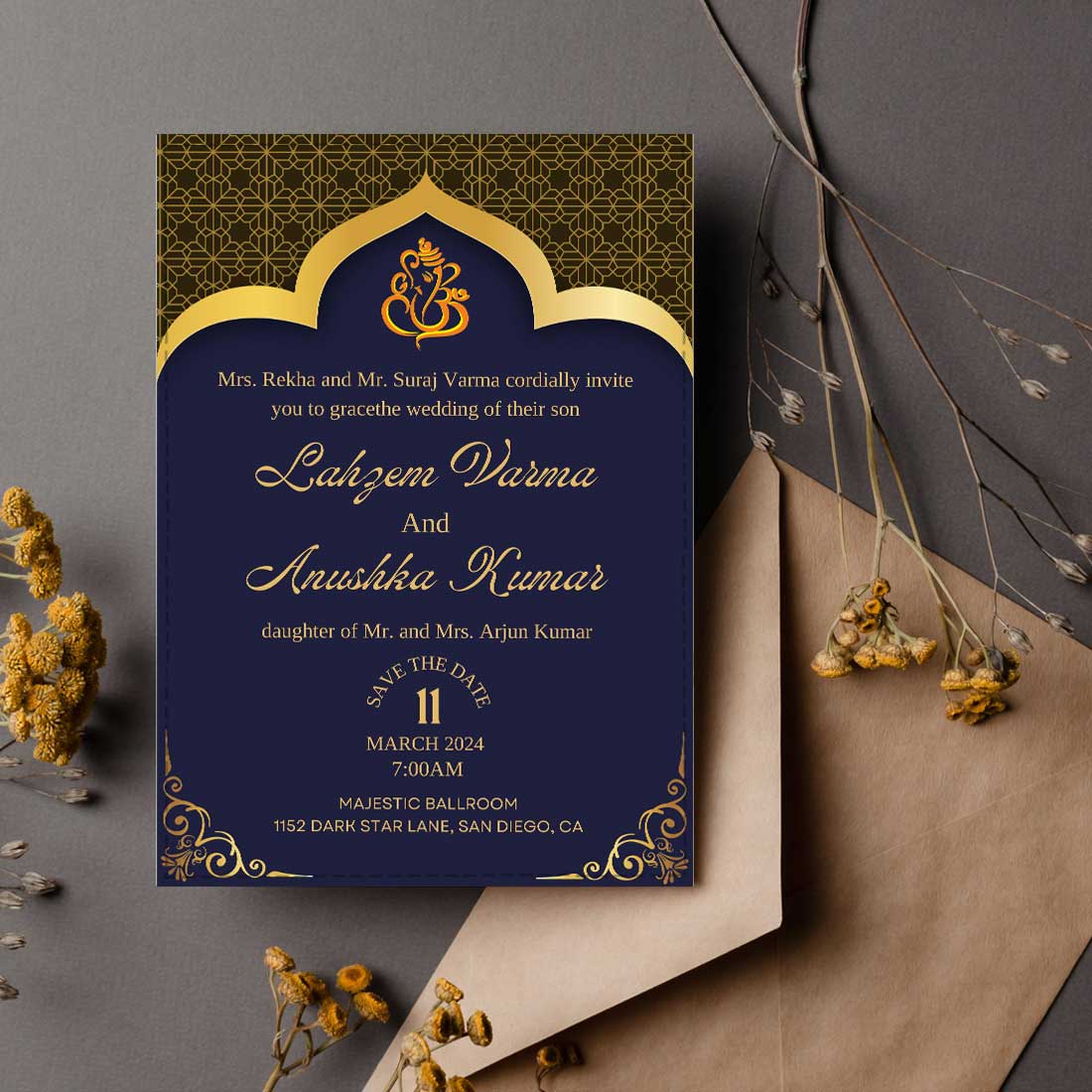
Avoiding common pitfalls in wedding card planning helps ensure the invitation process is smooth, stress-free, and results in a polished final product. Many couples face challenges due to rushed decisions, unclear communication, or neglecting important details. Understanding typical mistakes allows couples to proactively manage their timelines, designs, and vendor relationships, leading to invitations that truly reflect their vision.
7.1 Rushing the process
Taking adequate time for each step is crucial, as rushing often leads to costly errors and last-minute stress.
- Starting late
- Poor proofreading
- Missing deadlines
- Skipping approval steps
Beginning the invitation planning too close to the wedding date compresses the timeline, increasing the risk of mistakes. Overlooking careful proofreading can cause embarrassing typos or incorrect information. Missing printing or mailing deadlines may mean invites arrive late or guests cannot RSVP on time. Bypassing formal approval stages may result in printing unwanted errors, requiring costly reprints. Allocating sufficient time ensures each phase is completed thoughtfully.
7.2 Overcomplicating the design
While creativity is encouraged, excessive design elements can distract and confuse recipients.
- Too many colors or fonts
- Overcrowded layout
- Unreadable content
- Ignoring envelope design
Using multiple fonts or a broad color palette may reduce visual harmony and legibility. Crowding the card with too many graphics or dense text overwhelms the reader, detracting from key information. Neglecting the envelope’s appearance misses an opportunity to create a cohesive and elegant first impression. A clean, balanced design enhances clarity and appeal, making the invitation both beautiful and functional.
7.3 Not ordering extras
Failing to plan for contingencies can result in shortages or last-minute scrambling.
- Last-minute guest additions
- Keepsakes and backup copies
- Misprints or damage
- Forgot-to-invite scenarios
Unexpected guest list changes often occur, so ordering a few additional cards helps accommodate them without delay. Extras serve as keepsakes for family or for archival purposes. Printing errors or damage during mailing mean some invites may need replacement. Overlooking a few invitees in the initial count is a common issue; having surplus cards allows for corrections without disrupting timelines.
7.4 Poor vendor communication
Clear, timely exchanges with the printer or designer prevent misunderstandings and ensure expectations are met.
- Vague briefs
- Ignoring feedback
- Not confirming final version
- Delayed responses
Providing detailed, specific instructions helps vendors understand exactly what is required. Disregarding vendor suggestions or corrections can lead to quality or production issues. Failing to confirm proofs and final designs before printing risks producing incorrect cards. Slow replies cause project delays and stress for both parties. Maintaining open, proactive communication fosters a positive partnership and smooth process.
Each of these common mistakes reflects an aspect of planning that can be improved with forethought and care. By allowing ample time, simplifying designs, ordering extras, and maintaining good communication, couples can avoid unnecessary headaches. Being mindful of these challenges creates a seamless invitation experience that supports the excitement and anticipation of the wedding day.
Frequently Asked Questions About Wedding Cards
When should I send out wedding invitations?
It is generally recommended to send wedding invitations 6 to 8 weeks before the wedding date. This timing gives guests enough notice to RSVP and make necessary travel or accommodation arrangements. For destination weddings or events during busy seasons, sending invites even earlier helps ensure better attendance.
How many wedding cards should I order?
When determining the number of invitations to order, consider the guest list size and add extra copies for last-minute additions, keepsakes, or potential misprints. Ordering about 10% more than your final guest count is a common practice to avoid shortages and accommodate unexpected changes.
What is the best format for submitting my design?
High-resolution digital files in formats like PDF, JPEG, or TIFF are widely accepted by most printers. It is important to submit files at 300 dpi or higher to maintain print clarity. Some printers may also accept editable formats like Adobe Illustrator (.ai) or Photoshop (.psd) for customization.
Can I get a sample before printing the full batch?
Many printing services offer proof copies or samples to review the design, paper quality, and colors before committing to the entire order. Requesting a sample allows you to make any necessary adjustments and ensures the final product meets your expectations.
Are there sustainable or eco-friendly options available?
Yes, an increasing number of vendors provide eco-conscious wedding card options, such as recycled paper, soy-based inks, and biodegradable materials. Couples interested in environmentally friendly invitations should inquire with their printer about these choices to align their wedding stationery with sustainable values.
Information adapted from naiprints.co.ke.
Closing Reflections on Wedding Cards
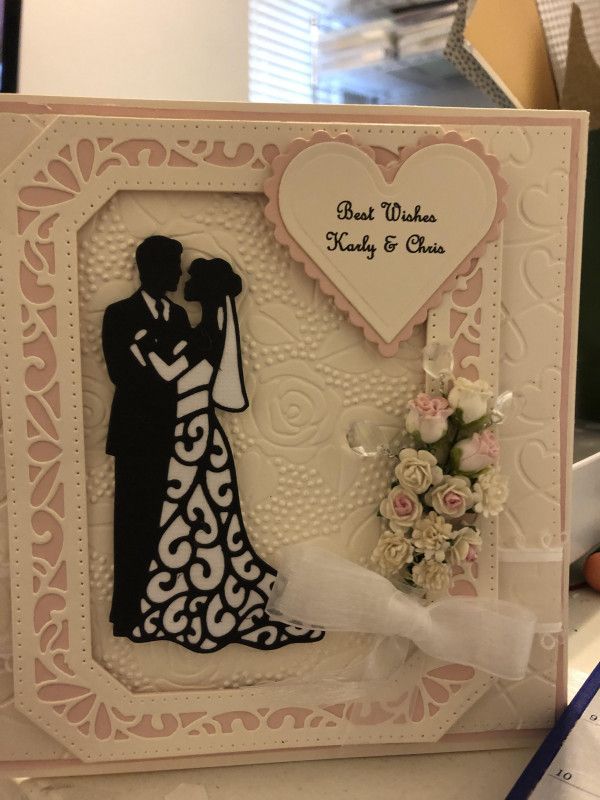
Wedding cards serve as much more than just a formality—they set the tone for the entire celebration and offer guests a first glimpse into the couple’s unique story. From the choice of design, wording, and materials to the careful planning of distribution, each detail contributes to an inviting and memorable experience. Thoughtful wedding invitations reflect the personality, culture, and style of the couple while creating anticipation and excitement for the special day ahead.
Choosing the right type of wedding card, design elements, and printing methods involves balancing aesthetics with practicality. Whether opting for traditional printed invitations or modern digital formats, attention to quality, customization, and sustainability can elevate the entire event. Collaboration with experienced vendors and designers ensures that the final product is polished and professionally executed, while also meeting budgetary and timing considerations.
Ultimately, investing time and care in crafting wedding cards leads to invitations that guests cherish as keepsakes and helps ensure a smooth, well-organized celebration. These cards are a meaningful extension of the wedding itself, making them a vital part of the journey toward a memorable and joyous occasion.
