Embroidery services in Nairobi, Kenya
Embroidery is a timeless art that merges tradition, creativity, and modern design. It has long been used to express identity, status, and beauty in cultures across the world. In recent years, embroidery has taken on new significance—not just in the fashion world but also in branding, corporate wear, and custom gifting

Embroidery Services in Nairobi, Kenya: Stitching Identity, Style, and Opportunity
Embroidery is a timeless art that merges tradition, creativity, and modern design. It has long been used to express identity, status, and beauty in cultures across the world. In recent years, embroidery has taken on new significance—not just in the fashion world but also in branding, corporate wear, and custom gifting. In Kenya’s capital, Nairobi, embroidery services have grown from informal roadside crafts to well-established businesses offering high-quality, customized products to a wide range of clients, including individuals, companies, schools, religious institutions, and fashion designers.
Nairobi’s embroidery industry has been shaped by both traditional artistry and the adoption of new technologies. With the increasing demand for branded apparel and unique fashion pieces, service providers have embraced computerized embroidery machines and digital design tools to meet market expectations. These innovations have improved precision, turnaround time, and design capabilities, allowing businesses to offer a broad range of services—from embroidered uniforms and caps to elegant home décor and bespoke fashion pieces. Despite these advances, many artisans still integrate hand-stitching techniques, maintaining a connection to Kenya’s cultural heritage.
The rise of embroidery services in Nairobi represents more than just business growth; it reflects a deeper movement towards local empowerment, entrepreneurship, and creative expression. Embroidery has become a source of livelihood for many, especially small and medium enterprises (SMEs), while also contributing to the city’s growing reputation as a fashion and design hub. This article explores the development of embroidery services in Nairobi by looking at the types of services offered, the key players in the industry, pricing factors, emerging trends, and the challenges and opportunities ahead. Through this exploration, we uncover how embroidery is helping stitch together Nairobi’s identity, style, and economic future.
1. History and Growth of Embroidery in Nairobi
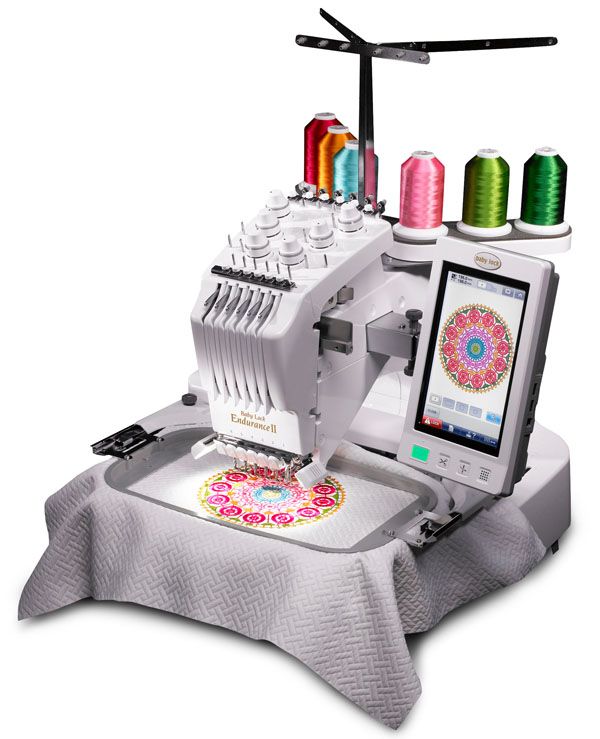
Embroidery in Nairobi has grown from a traditional art form into a dynamic industry, blending heritage with modern innovation. From handmade techniques rooted in culture to digitally driven businesses, embroidery has played an important role in fashion, identity, and economic opportunity throughout the region.
1.1 Traditional Embroidery Practices in Kenya
Embroidery has long been practiced across various Kenyan communities, often reflecting tribal identity, social status, and ceremonial importance.
-
Techniques such as hand-stitching with thread, beads, and cowrie shells
-
Patterns inspired by nature, culture, and heritage
-
Regional styles varying by ethnic group, such as Maasai beadwork or Swahili motifs
-
Items embroidered included clothing, wedding garments, headwear, and household decor
-
Embroidery was often taught informally through generations, especially among women
Traditional embroidery was not just decorative—it carried meaning, history, and cultural continuity. The artistry and symbolism embedded in these works contributed to Kenya’s rich textile heritage.
1.2 Evolution of Embroidery with Modern Technology
The arrival of digital tools and imported machinery transformed embroidery from a purely manual process into a scalable, high-precision craft.
-
Introduction of computerized embroidery machines
-
Use of design software like Wilcom or Brother PE-Design
-
Faster production and complex designs now possible with fewer errors
-
Ability to digitize logos, texts, and images for branding purposes
-
Greater accessibility for entrepreneurs to start embroidery shops
Technology made it possible to meet growing consumer demands for custom apparel, uniforms, and branded products—pushing embroidery into both the fashion and business sectors.
1.3 Growth of Small and Medium Embroidery Businesses in Nairobi
Modern embroidery has become a vibrant micro-enterprise sector in Nairobi, supported by local creativity and market demand.
-
Increase in youth-led startups and home-based embroidery businesses
-
Popularity of branded merchandise like caps, t-shirts, and jackets
-
Integration with other services such as tailoring, printing, and screen printing
-
Availability of training institutions offering embroidery machine courses
-
Nairobi’s growing middle class creating demand for unique and custom products
This growth has positioned embroidery as both an artistic pursuit and a practical business opportunity, fostering innovation and employment across Nairobi’s urban economy.
Embroidery in Nairobi has evolved through a blend of traditional expertise and modern techniques. While deeply rooted in Kenya’s cultural history, the craft has embraced digital transformation and become a thriving urban industry. Its journey reflects both heritage preservation and forward-looking entrepreneurship—bridging the past and future through threads of creativity.
2. Types of Embroidery Services Offered
Embroidery services in Nairobi cover a wide range of applications, catering to different customer needs from corporate branding to personal gifts and home décor. The variety of services reflects both traditional uses and modern commercial demands, providing tailored solutions for businesses, individuals, and institutions alike.
2.1 Custom Logo Embroidery for Businesses and Uniforms
Custom logo embroidery is a popular service for companies looking to enhance brand identity through professional apparel.
-
Embroidering company logos on uniforms, workwear, and staff apparel
-
Use of durable threads that withstand frequent washing and wear
-
Consistent and precise replication of brand colors and designs
-
Suitable for industries including hospitality, security, healthcare, and corporate offices
-
Enhances team cohesion and promotes a professional image
This service helps businesses create a unified look that strengthens brand visibility and professionalism.
2.2 Personal Embroidery for Gifts and Special Occasions
Personal embroidery allows individuals to customize items for memorable events and personalized gifts.
-
Custom names, dates, and messages on garments and accessories
-
Popular for weddings, birthdays, anniversaries, and baby showers
-
Options for embroidered patches, monograms, and unique designs
-
Enhances sentimental value and adds a personal touch
-
Commonly applied on towels, robes, blankets, and apparel
Such personalization adds emotional significance and exclusivity to gifts and keepsakes.
2.3 Corporate Branding on Promotional Items
Embroidery extends beyond uniforms to promotional merchandise, creating lasting impressions for marketing campaigns.
-
Branded caps, t-shirts, bags, and other giveaway items
-
Durable and high-quality embroidery that withstands frequent use
-
Effective for trade shows, product launches, and corporate events
-
Boosts brand recognition in everyday settings
-
Flexible order sizes from small batches to large runs
Promotional embroidery combines marketing and functionality, turning everyday items into walking advertisements.
2.4 School Uniforms and Religious Attire
Embroidery is widely used to signify identity and affiliation in educational and religious contexts.
-
School logos, crests, and names embroidered on uniforms
-
Durable embroidery for frequent washing and active use by students
-
Embellishment of religious garments such as choir robes and ceremonial robes
-
Reinforces belonging and pride within schools and religious groups
-
Custom designs that comply with institutional guidelines
This type of embroidery strengthens community identity and tradition in formal settings.
2.5 Decorative Embroidery for Home Décor
Embroidery is also applied creatively to enhance home textiles, adding elegance and detail.
-
Embellishment of curtains, cushions, table runners, and upholstery
-
Use of decorative stitches and intricate patterns
-
Custom designs that match interior themes and styles
-
Adds texture, color, and uniqueness to living spaces
-
Often combined with other textile arts for luxury finishes
Decorative embroidery turns everyday household items into artistic statement pieces that elevate interior aesthetics.
The wide spectrum of embroidery services offered in Nairobi reflects the city’s diverse customer base and growing demand for both functional and artistic applications. From strengthening business brands to personalizing gifts and beautifying homes, embroidery continues to be a versatile and valued craft in the local market.
3. Leading Embroidery Providers in Nairobi

The embroidery market in Nairobi is populated by a variety of providers, ranging from established companies to emerging startups. These businesses offer diverse services and cater to different customer needs, contributing to a competitive and dynamic industry.
3.1 Overview of Popular and Reliable Embroidery Service Providers
Several embroidery providers in Nairobi have gained recognition for their quality, reliability, and innovation.
-
Well-known shops with a strong local presence and loyal clientele
-
Small to medium enterprises focusing on niche markets and personalized services
-
Providers offering both traditional hand embroidery and computerized machine embroidery
-
Growing number of online-based providers enhancing convenience
-
Reputation built on consistency, craftsmanship, and timely delivery
These providers have established themselves by balancing quality with affordability and adapting to evolving customer demands.
3.2 Key Features (Pricing, Turnaround Time, Equipment Used)
Pricing and service speed vary depending on the scale and complexity of the job, but most leading providers strive to offer competitive packages.
-
Transparent pricing models tailored for bulk and small orders
-
Average turnaround times range from 2 to 7 days, with express options available
-
Use of modern embroidery machines such as Tajima, Brother, and Barudan for precision
-
Availability of computerized design digitizing for complex logos and artwork
-
Flexible order handling from single pieces to mass production
Advanced equipment and efficient workflows ensure high-quality output without compromising deadlines.
3.3 Customer Service and Delivery Options
Customer experience is a critical differentiator among embroidery providers, influencing repeat business and referrals.
-
Personalized consultations to clarify design, colors, and placement
-
Sample embroidery previews to guarantee satisfaction before full production
-
Multiple payment options and clear invoicing
-
Delivery services across Nairobi and nationwide, including express shipping
-
In-store pickup and dedicated customer support channels
Providers emphasize communication and convenience to build trust and ease the ordering process.
3.4 Online vs. Physical Store Experiences
Both online and physical store models have their advantages, catering to different customer preferences.
-
Online platforms offer easy browsing of designs, instant quotes, and home delivery
-
Physical stores provide hands-on consultations, fabric inspections, and immediate feedback
-
Hybrid models combine digital ordering with in-person support
-
Online services expand reach beyond Nairobi to regional and international customers
-
Physical locations foster personal relationships and community connections
Customers choose based on convenience, confidence in quality, and the complexity of their embroidery needs.
Nairobi’s embroidery providers offer a rich mix of tradition and technology, backed by strong customer focus and flexible service options. Their ability to combine competitive pricing, quality machinery, and responsive support drives the continued growth and vibrancy of the local embroidery industry.
4. Technology and Tools Used
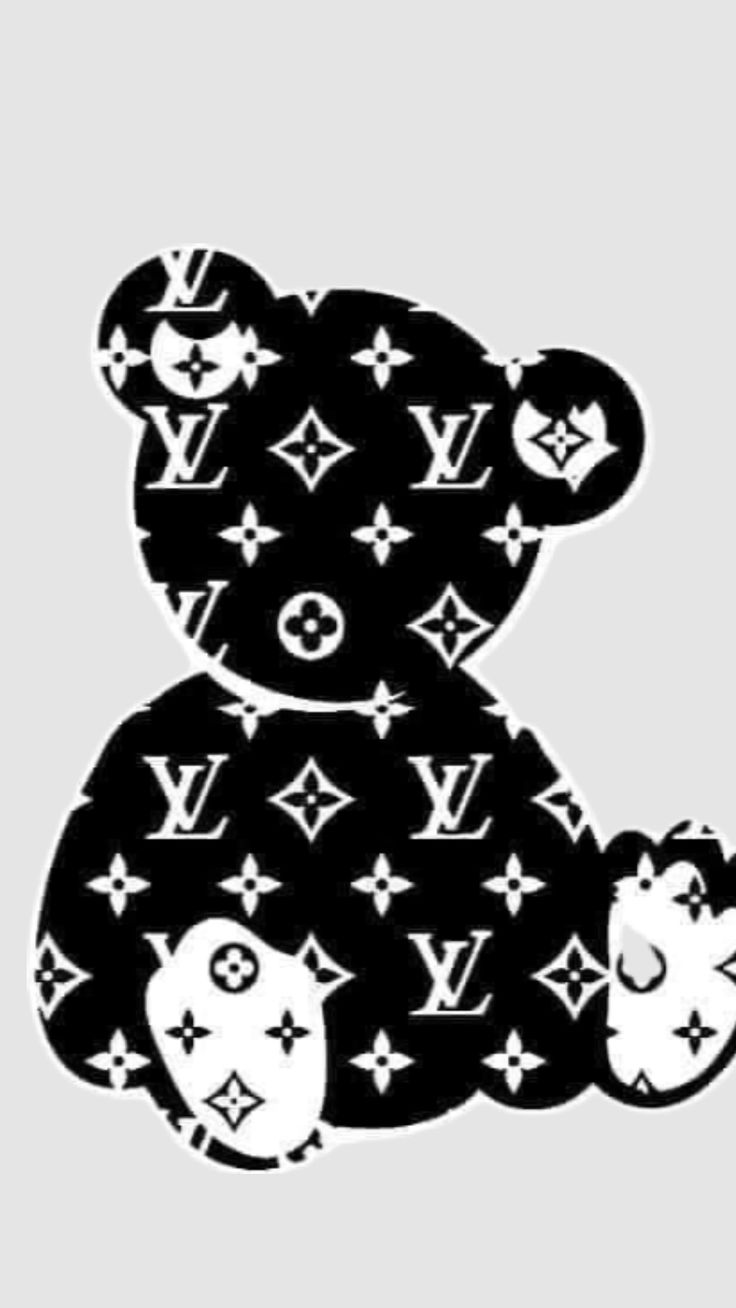
Embroidery in Nairobi has experienced a significant transformation driven by advances in technology and the adoption of modern tools. These innovations have enhanced precision, expanded design possibilities, and improved production efficiency.
4.1 Transition from Hand Embroidery to Machine Embroidery
The shift from traditional hand embroidery to machine embroidery marks a major evolution in the industry.
-
Manual stitching gave way to automated processes to increase speed and uniformity
-
Machine embroidery allows for complex, consistent patterns with reduced labor
-
Increased production capacity meets growing commercial demands
-
Hand embroidery remains valued for bespoke and artisanal pieces
-
Hybrid approaches sometimes combine both methods for unique effects
This transition reflects a balance between preserving cultural craftsmanship and embracing technological progress to serve wider markets.
4.2 Use of Software in Custom Designs
Software tools have become essential in creating, digitizing, and refining embroidery designs.
-
Programs like Wilcom, Brother PE-Design, and Hatch provide design creation and editing
-
Digitizing converts artwork and logos into machine-readable stitch files
-
Allows previewing and adjusting stitch density, color changes, and placement before production
-
Facilitates intricate and multi-layered designs with precision
-
Enhances client collaboration through digital proofs and revisions
The integration of software streamlines the design process and reduces errors, contributing to higher quality output.
4.3 Overview of Commonly Used Embroidery Machines in Nairobi
Modern embroidery businesses rely on reliable, high-performance machines to meet customer expectations.
-
Popular brands include Tajima, Brother, Barudan, and Singer
-
Machines range from single-needle to multi-needle, enabling multi-color embroidery in one run
-
Features include automatic thread trimming, color change, and high-speed stitching
-
Equipment is selected based on business scale, design complexity, and budget
-
Regular maintenance and operator training ensure consistent performance
Access to advanced machinery empowers Nairobi’s embroidery providers to deliver detailed and durable products efficiently.
The integration of technology and sophisticated tools has redefined embroidery in Nairobi, combining the artistry of the past with the speed and accuracy of modern innovation. This evolution supports the industry’s ability to serve diverse customer needs while maintaining high standards of craftsmanship and reliability.
5. Cost Factors and Pricing
Understanding the cost structure of embroidery services in Nairobi is essential for both customers and providers. Pricing varies based on multiple factors that influence the time, materials, and effort required to complete a project, ensuring that clients get value for their investment.
5.1 Factors Affecting the Cost
Several elements play a significant role in determining the final price of embroidery services:
-
Design Complexity: Intricate patterns with many colors or fine details require more time and specialized digitizing, increasing cost.
-
Size of the Embroidery: Larger designs consume more thread and take longer to complete.
-
Material Type: Different fabrics, such as cotton, polyester, or leather, affect machine settings and thread choices, impacting price.
-
Order Quantity: Bulk orders typically reduce the per-unit cost due to economies of scale, while single or small orders tend to be more expensive.
-
Additional Services: Custom digitizing, rush orders, and special finishes may add to the overall expense.
These factors collectively shape the pricing model and influence budgeting decisions for clients.
5.2 Price Comparison of Common Services
Comparing prices across popular embroidery services highlights typical market rates and value propositions.
-
Custom logo embroidery on uniforms may range from KES 300 to 1,000 per piece depending on complexity.
-
Personalized gifts like monogrammed towels or robes often cost between KES 500 and 1,500.
-
Corporate promotional items such as caps or bags generally fall within KES 400 to 800 per unit.
-
School uniform embroidery prices are usually lower due to high volume and simpler designs.
-
Decorative embroidery for home décor varies widely based on size and intricacy.
This comparison helps clients make informed choices based on their specific needs and budget constraints.
5.3 Tips for Getting Affordable Yet High-Quality Embroidery
Achieving a balance between cost and quality requires strategic planning and informed decisions:
-
Choose designs with moderate complexity to avoid unnecessary expense.
-
Opt for standard thread colors and materials that are readily available.
-
Increase order quantities to benefit from bulk pricing discounts.
-
Request samples or view previous work to ensure quality before committing.
-
Work with reputable providers who offer transparent pricing and clear timelines.
By considering these tips, customers can maximize value while enjoying durable and visually appealing embroidery.
Pricing in Nairobi’s embroidery sector reflects the interplay of design, materials, and order specifics. Awareness of cost drivers and market rates empowers customers to select services that align with their expectations and financial plans without compromising quality.
6. Market Trends and Innovations
The embroidery industry in Nairobi is evolving rapidly, influenced by changing customer preferences, technological advances, and increased awareness of sustainability. Understanding these trends is key for businesses to stay competitive and meet market demands.
6.1 Demand Trends in Nairobi (Corporate, Personal, Fashion)
Customer demand for embroidery services in Nairobi spans multiple sectors, each driving growth in unique ways.
-
Corporate Sector: Steady demand for branded uniforms, promotional items, and event merchandise from businesses aiming to strengthen their identity.
-
Personal Use: Growing interest in customized gifts and special occasion embroidery such as weddings, anniversaries, and birthdays.
-
Fashion Industry: Designers and boutiques increasingly incorporate embroidery to add texture, detail, and cultural significance to modern apparel.
-
Rising middle class and youth population fueling interest in personalized and trendy embroidered items.
These diverse demand streams create opportunities for providers to tailor services and expand their reach.
6.2 Use of Sustainable and Locally Sourced Materials
Environmental consciousness is becoming a significant consideration within Nairobi’s embroidery market.
-
Increased use of organic cotton, recycled fabrics, and eco-friendly threads in production
-
Preference for local suppliers to reduce carbon footprint and support Kenyan businesses
-
Adoption of biodegradable packaging and reduced chemical use in dyes and cleaning agents
-
Customers showing greater interest in ethically produced embroidered goods
Sustainability efforts not only benefit the environment but also appeal to a growing segment of socially responsible consumers.
6.3 Integration of Embroidery in Modern Kenyan Fashion
Embroidery plays a vital role in blending tradition with contemporary style in Kenya’s fashion scene.
-
Designers incorporating indigenous patterns and motifs into trendy garments
-
Collaboration between artisans and fashion houses to preserve cultural heritage
-
Use of embroidery on casual wear, accessories, and formal attire enhancing uniqueness
-
Fashion shows and exhibitions showcasing embroidered collections gaining popularity
-
Digital platforms enabling wider distribution and visibility of embroidered fashion products
This fusion elevates embroidery from craft to a dynamic element of Kenya’s creative expression and identity.
Shifts in demand, environmental awareness, and fashion innovation continue to shape Nairobi’s embroidery industry, driving providers to adapt and innovate while honoring local traditions. These trends promise a vibrant and sustainable future for the craft.
7. Challenges Faced by Embroidery Businesses
Despite the promising growth and innovation in Nairobi’s embroidery industry, several challenges continue to affect business operations and sustainability. Addressing these obstacles is crucial for the long-term success of embroidery providers.
7.1 High Cost of Modern Equipment and Software
The investment required for up-to-date embroidery machines and design software is substantial.
-
Advanced computerized embroidery machines can be prohibitively expensive for small and medium enterprises.
-
Licensing fees for professional digitizing and design software add to operational costs.
-
Maintenance and repair of complex equipment require skilled technicians and spare parts.
-
Limited access to affordable financing options restricts the ability to upgrade technology.
-
High upfront costs may deter startups from entering the market or expanding their capacity.
These financial barriers challenge providers to balance quality improvements with budget constraints.
7.2 Competition from Imported Goods
Imported embroidered products present stiff competition to local businesses.
-
Cheaper mass-produced embroidery items flood the market, often undercutting local prices.
-
Imported goods may lack customization options, yet their low cost attracts price-sensitive buyers.
-
Difficulty in differentiating local craftsmanship from imported products in consumers’ perception.
-
Importation sometimes causes market saturation, limiting growth opportunities for Nairobi providers.
-
Protecting local artisans requires enhancing product quality and emphasizing unique cultural value.
This competitive pressure demands strategic marketing and innovation from local businesses.
7.3 Limited Access to Skilled Labor and Training
Availability of trained embroidery professionals affects the quality and efficiency of service delivery.
-
Skilled machine operators and digitizers are relatively scarce in Nairobi.
-
Limited formal training programs or apprenticeships hinder skill development.
-
New technologies require ongoing education to keep staff updated with latest techniques.
-
High turnover rates can disrupt workflow and increase recruitment costs.
-
Some businesses struggle to maintain consistent quality due to labor shortages.
Investment in training and partnerships with educational institutions could help mitigate these challenges.
7.4 Issues in Customer Education and Expectations
Misunderstandings regarding embroidery capabilities and processes can lead to dissatisfaction.
-
Customers may underestimate production time, leading to unrealistic deadlines.
-
Lack of awareness about design limitations such as size, color complexity, or fabric compatibility.
-
Expectations for low-cost embroidery without compromising quality create tension.
-
Insufficient communication during the ordering process results in errors or rework.
-
Educating clients on what is feasible helps align expectations and fosters trust.
Effective customer engagement and clear communication are essential for improving service experience.
Embroidery businesses in Nairobi face multifaceted challenges ranging from financial and competitive pressures to workforce and customer-related issues. Successfully navigating these obstacles requires innovation, education, and strategic planning to ensure continued growth and sustainability.
8. Opportunities for Growth in Nairobi’s Embroidery Industry
Q3: What factors affect the cost of embroidery services in Nairobi?
A3: The price of embroidery depends on several elements including the complexity and size of the design, the fabric or material used, the quantity of items ordered, and the required turnaround time. More detailed designs and smaller orders generally lead to higher costs.
Q4: Are there local embroidery providers who offer online ordering and delivery?
A4: Yes, many embroidery service providers in Nairobi have adopted digital platforms that allow customers to place orders online and benefit from delivery services. This convenience supports clients both within Nairobi and across Kenya. For more information, browsing service offerings or placing orders, visiting Naiprints is highly recommended.
Q5: Can I get traditional hand embroidery done in Nairobi?
A5: Traditional hand embroidery is still available through skilled artisans and specialized businesses that preserve Kenya’s rich cultural stitching techniques, providing unique and authentic products alongside machine embroidery options.
Q6: What challenges do embroidery businesses in Nairobi face?
A6: Local embroidery businesses encounter several challenges such as the high costs associated with modern embroidery equipment, competition from cheaper imported products, scarcity of skilled labor and training opportunities, and difficulties in managing customer expectations regarding quality and timelines.
Q7: How do I choose a reliable embroidery service provider in Nairobi?
A7: Selecting a trustworthy provider involves checking customer reviews, reviewing pricing transparency, examining samples of previous work, and confirming the provider’s ability to meet your schedule. Visiting physical shops or exploring online portfolios can help ensure the quality and professionalism you require. For enquiries or detailed discussions on your project, many providers offer personalized consultations either online or in person.